
- News
- Women
- Magazine
- IndustryIndustry
- InsightsInsights
- Success Stories
- PublishPublish
- ContactContact
- Media KitMedia Kit


Chennai (Tamil Nadu) [India], July 31: For much of the last decade, starting a fashion label in India meant finding a manufacturer, committing to a minimum order, and hoping the designs sold before the money ran out. That sequence is now being reversed.
A growing number of entrepreneurs are experimenting with print-on-demand and dropshipping models, where garments are manufactured only after a customer places an order, rather than produced in advance and stocked as inventory.
Inventory financing is no longer the primary barrier to entry for many entrepreneurs. India's apparel industry is valued at roughly USD 110 billion, with online fashion accounting for close to USD 11 billion of that.
The online segment is projected to reach USD 35 billion by 2028, growing at nearly 25 percent a year, according to estimates cited by Entrepreneur India. The shift is being driven as much by infrastructure as by demand.
Affordable e-commerce storefront platforms, UPI-based payments and social commerce on Instagram and WhatsApp have lowered the technical cost of launching a fashion business. Fulfilment platforms that plug into Shopify and WooCommerce have removed the need to build manufacturing capability first.
Manufacturing now follows the sale, not before it
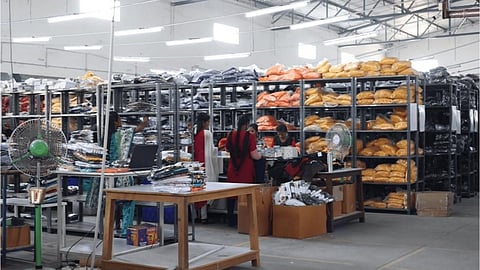
Under this model, a business owner uploads a design and sets a price, and production begins only once an order comes in. Instead of forecasting demand months in advance, sellers can validate a design using actual purchases before committing capital to inventory.
Qikink, a Coimbatore-based print-on-demand and dropshipping platform operating since 2016, is one example of this shift. The company works with more than 25,000 brands and creators across India, providing on-demand manufacturing and fulfilment services that allow sellers to test designs without holding stock while reducing some of the operational barriers involved in starting a clothing brand.
Fashion brands can now access infrastructure without building it
The growth of the creator economy has accelerated this transition. Influencers and independent artists increasingly launch merchandise without building standalone online stores of their own, using platforms such as Qikink's Creator Store, which allows creators to sell products without managing production, packing or delivery.
For emerging brands, identity matters more than production scale
As upfront inventory risk falls, what separates a successful apparel label from an unsuccessful one is shifting toward design, niche positioning and audience, rather than manufacturing scale alone.
India's print-on-demand market is forecast to grow at close to 31 percent annually through 2030, according to Grand View Research. For India's next generation of apparel entrepreneurs, owning a factory is becoming far less important than understanding what customers actually want to wear.
For further information, please contact the Qikink team or visit its official Instagram and YouTube channels.
Follow us on Google News