
- News
- Women
- Magazine
- IndustryIndustry
- InsightsInsights
- Success Stories
- PublishPublish
- ContactContact
- Media KitMedia Kit

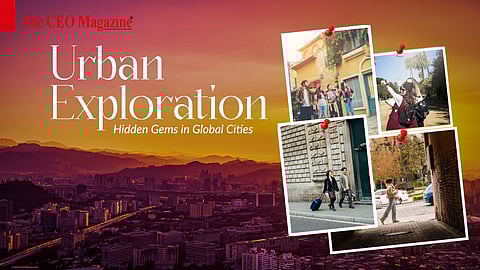
Urban Exploration: Hidden Gems in Global Cities

Urban travel has evolved far beyond classic tourist attractions. Today, travellers are seeking authentic experiences — the hidden alleys, niche cafés, local workshops, and secret gardens that give cities their character. This shift reflects a growing desire to connect with culture, creativity, and community rather than simply check off landmarks.
Urban exploration, or “urbex”, is no longer a niche hobby; it has become a lifestyle for city dwellers, digital nomads, and curious travellers alike. It encourages slow, mindful discovery and offers a richer understanding of the places we inhabit and visit.
What makes a city truly memorable are its local stories. Small bookshops tucked in quiet streets, family-run bakeries with decades of history, or artisanal workshops where traditional crafts are preserved — these hidden gems offer insights into the city’s soul.
In cities like Lisbon, Kyoto, and Buenos Aires, explorers seek experiences beyond the usual itinerary. A narrow lane might reveal a centuries-old mural, or a neighbourhood café might host evening music sessions that connect locals and travellers organically. These experiences highlight the cultural fabric often overlooked in mainstream tourism.
Urban exploration encourages mindful, sustainable travel. By focusing on small businesses, local artisans, and community-led initiatives, travellers support urban economies without contributing to overcrowding or environmental stress. This shift is reshaping city tourism, where impact and connection take precedence over volume and visibility.
Many global cities harbour micro-neighbourhoods that serve as cultural incubators. In New York, the Lower East Side is celebrated for its indie galleries and family-run eateries. In Berlin, Prenzlauer Berg offers hidden courtyards, boutique ateliers, and secret speakeasies. In Mumbai, narrow lanes of Dharavi reveal thriving artisanal communities producing leather goods, pottery, and handmade crafts.
Exploring these neighbourhoods allows visitors to experience the city from a local perspective, fostering deeper engagement with history, culture, and daily life.
Urban explorers are also drawn to the unconventional. Rooftop gardens, abandoned factories turned art spaces, secret libraries, and underground music venues provide experiences that differ from conventional city tours. These spaces often require curiosity, patience, and local knowledge to uncover — adding an element of adventure and discovery to city travel.
While urban exploration emphasises spontaneity, technology has made it easier to discover hidden gems responsibly. Apps that crowdsource recommendations, map street art, or track local events help travellers find authentic experiences without overwhelming neighbourhoods.
Platforms connecting travellers with locals for curated walks, food tastings, and workshops are enabling meaningful, small-scale engagement. These technologies strike a balance between discovery and sustainability, ensuring that hidden gems retain their character and charm.
Augmented reality (AR) and virtual reality (VR) are adding new dimensions to urban exploration. Visitors can visualise historical transformations of neighbourhoods, experience immersive art installations, or engage in interactive tours that reveal layers of culture previously invisible to the casual observer. This fusion of tech and travel enhances both learning and experience while respecting the local environment.
Travelling off the beaten path nurtures authentic connections with people, culture, and place. Conversations with local shopkeepers, participation in small-scale festivals, or attending community workshops create lasting memories and meaningful stories. These encounters are increasingly valued over selfies at landmarks or guided bus tours.
Urban exploration also supports personal growth. Navigating unfamiliar streets, discovering hidden art, or engaging with local practices stimulates curiosity, creativity, and mindfulness. The slow pace and unpredictability reduce travel stress, offering mental rejuvenation that is hard to achieve in conventional, itinerary-driven tourism.
Urban exploration isn’t only for leisure travellers. Professionals on business trips are increasingly incorporating hidden gems into their schedules. Short visits to local artisan shops, community cafés, or cultural workshops provide creative inspiration, networking opportunities, and a sense of immersion in the city’s pulse.
Companies are beginning to design “experiential business trips” that blend work, culture, and leisure, acknowledging that exposure to authentic city experiences can enhance creativity, problem-solving, and well-being among employees.
Hidden gems thrive because they are small-scale, intimate, and often community-led. Travellers must respect local norms, avoid overcrowding, and engage responsibly. Urban exploration emphasises quality over quantity, where the goal is connection rather than consumption.
Supporting local businesses, minimising waste, and choosing low-impact transport are integral to responsible urban exploration. By prioritising these practices, travellers ensure that their presence benefits the city without compromising its charm or culture.
As travellers seek experiences that are personal, meaningful, and sustainable, urban exploration will continue to rise. Cities that preserve hidden corners, support micro-businesses, and foster cultural authenticity will attract discerning travellers who value depth over spectacle.
In this new era of urban travel, the most memorable journeys are not defined by the number of monuments visited but by the stories discovered, the people met, and the connections forged. Hidden gems are no longer side attractions — they are the essence of what makes city travel rich, inspiring, and unforgettable.
Follow us on Google News