
- News
- Women
- Magazine
- IndustryIndustry
- InsightsInsights
- Success Stories
- PublishPublish
- ContactContact
- Media KitMedia Kit

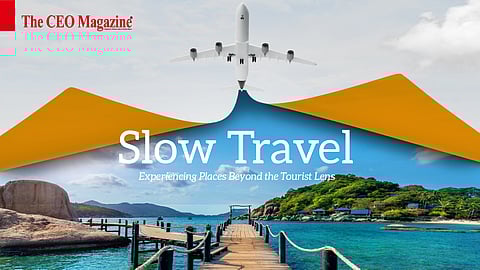
Slow Travel: Experiencing Places Beyond the Tourist Lens

Travel has long been associated with ticking off landmarks, snapping photos, and following itineraries that promise efficiency over experience. But a new approach is reshaping the way journeys are planned and lived: slow travel. Instead of rushing through cities or chasing “must-see” attractions, slow travel emphasises immersion, connection, and mindful exploration. It invites travellers to step off the beaten path, linger longer, and engage deeply with the places they visit.
At its core, slow travel is about quality over quantity. It encourages travellers to experience destinations on their own rhythm, engaging with local culture, food, and everyday life rather than just visiting iconic landmarks. The goal is to connect meaningfully with the environment, community, and oneself, creating memories that are richer and more lasting than conventional tourism often allows.
This approach aligns with broader trends in wellness, sustainability, and mindful living. Slow travel is as much about reducing stress and appreciating life’s simple moments as it is about seeing new places.
One of the central tenets of slow travel is living like a local, even if only temporarily. Staying in small guesthouses, boutique hotels, or home rentals rather than large tourist hotels allows travellers to integrate into the rhythm of the community. Shopping at local markets, participating in neighborhood events, and frequenting independent cafes can provide insight into daily life that no guidebook can offer.
Beyond observation, slow travel emphasises interaction and engagement. Learning basic phrases in the local language, attending workshops, or joining community activities can transform a simple visit into a meaningful experience. It’s about moving beyond surface-level sightseeing into authentic connection.
A hallmark of slow travel is savouring time. Instead of cramming multiple destinations into a single day, travellers linger in spaces that capture their curiosity or provide tranquillity. Morning walks through quiet streets, afternoons spent in cafes observing local routines, and evenings attending small cultural performances allow travellers to absorb the rhythm of life around them.
This pace creates opportunities for reflection and discovery. Hidden corners, street art, artisanal workshops, or small local museums become sources of fascination because there is time to notice and appreciate them. The slower approach allows for a deeper emotional and sensory experience that traditional tourism often overlooks.
Food is an essential part of slow travel. Local cuisine is a window into history, geography, and culture. Tasting regional dishes at family-run eateries, visiting farms or food markets, and participating in cooking workshops bring travellers closer to the essence of a place.
Unlike fast-paced culinary tourism, slow travel encourages mindful eating, savouring each bite, understanding ingredients, and appreciating the stories behind dishes. This approach deepens both cultural understanding and personal enjoyment.
Slow travel also promotes sustainable tourism practices. By staying longer in fewer places, travellers reduce carbon footprints and contribute meaningfully to local economies. Supporting small businesses, choosing eco-conscious accommodations, and respecting local customs are all part of a mindful approach.
Beyond environmental considerations, slow travel nurtures personal mindfulness. It encourages being present, noticing surroundings, and engaging senses fully, smelling spices in a market, hearing the cadence of street conversations, or feeling the texture of handcrafted textiles. The journey becomes a holistic experience of the place, not just a checklist of sights.
While urban slow travel emphasises cultural immersion, natural slow travel focuses on connecting with landscapes at a deliberate pace. Walking trails, cycling through countryside villages, or spending days in serene rural settings allow for reflection, grounding, and sensory engagement.
Activities like forest bathing, sunrise hikes, or slow kayaking journeys create lasting impressions because they allow time to notice subtleties: the way sunlight filters through leaves, birdcalls in the morning, or patterns in a river’s flow. This type of travel fosters both environmental awareness and personal renewal.
Ironically, even in slow travel, technology has a role. Apps and digital platforms can help plan immersive experiences, locate hidden gems, or book local workshops, without overwhelming the traveller with notifications or schedules. Social media, when used mindfully, can inspire travel ideas and provide practical guidance while maintaining attention to the present moment.
The key is balance: technology should enhance, not dictate, the experience. Slow travel thrives when digital tools facilitate access without replacing the sensory richness of in-person exploration.
Implementing slow travel requires intentionality. It might involve:
Choosing one city or region and spending a week or more exploring neighbourhoods at a leisurely pace.
Renting a home or apartment rather than hopping between hotels to create continuity and familiarity.
Engaging with local artisans, markets, and workshops to understand traditions and crafts.
Scheduling free time for spontaneous exploration rather than a rigid itinerary.
By emphasising experience over quantity, travellers cultivate deeper memories and meaningful connections with places.
Slow travel offers tangible benefits beyond enjoyment:
Enhanced Wellbeing: Reduced stress and greater presence enhance overall travel satisfaction.
Cultural Immersion: Longer stays and local engagement foster a nuanced understanding of culture.
Mindful Consumption: Eating locally, supporting small businesses, and reducing waste reflect ethical tourism.
Personal Growth: Slow travel encourages patience, curiosity, and adaptability.
Stronger Memories: Experiences linger longer because they are deeply felt, not rushed.
In essence, slow travel transforms travel from a task into a form of personal enrichment and wellness practice.
As the travel landscape evolves, slow travel is expected to grow alongside wellness tourism, eco-conscious travel, and cultural immersion programs. Mini-retreats within cities, wellness homestays, and curated cultural experiences will provide accessible slow-travel opportunities. Even popular tourist destinations are adapting, offering slower, localised experiences that reduce congestion and foster meaningful visitor engagement.
Travellers are increasingly seeking depth over breadth, and businesses are responding with offerings that emphasise quality, authenticity, and mindful enjoyment.
Slow travel is more than a trend—it is a philosophy of presence, connection, and mindful exploration. By lingering longer, engaging deeply, and immersing in the rhythm of life around them, travellers unlock experiences that are rich, memorable, and transformative.
It encourages leaving behind the pressure of “seeing it all” and embracing the joy of living within a place, even briefly. From cultural exploration to natural immersion, from culinary adventures to quiet reflection, slow travel fosters both personal growth and a richer connection to the world.
In a fast-paced global environment, the art of slowing down is not just refreshing—it is essential. By choosing experiences over speed, depth over distance, and engagement over observation, slow travel transforms every journey into a meaningful exploration beyond the tourist lens.
Follow us on Google News